

It’s not easy being an ogre. The green skin draws everyone’s eyes (after all, who wouldn’t stare at such a discolored freak), and it takes extra effort to convince that lumbering, lurching body to act like a normal person. You may have never seen an ogre, but it’s central to their identity that you have seen them and that you’re always eager to scowl or laugh at their putrid hide and awkward movements. I’ve spent a quarter of a century absorbing the patterns of this creature and now finally I’ve seen his face and fully understand his nature. The archetype of the ogre is the anxiety persona, the identity assumed by those preoccupied by fear.
Let me take you to the swamp – the grimy, wet, suffocating home of the ogre. He doesn’t just move in; this environment is cultivated to be perfectly off-putting. He even erects signs that say “BEWARE OF OGRE” and follows through on that threat with instant hostility toward any visitor who dares trudge through his swamp. This secures for him a peaceful place free from the all-seeing eyes of social interaction. But it’s more nuanced than that. He won’t see just any donkey wander into his swamp, but some donkeys are more hard-headed than others. Some donkeys are so persistent in their desire to know the ogre that they will endure the mire in order to find him. So the ogre’s swamp is a filter, selecting for those who are disposed to love him and repelling everyone else.
Thanks for reading Restoration! Subscribe for free to receive new posts and support my work.
The anxious person, in the spirit of the ogre, closes himself off from the people around him, feeling safe in his imagined shack in the swamp. There’s nothing to do in the shack, but at least he’s not embarrassing himself. If anyone tries to interact with him, they’re met with no response or a quick response, no eye contact, and even physical distancing. These are all attempts to ward off the threatening presence of the invader. They’re the mud, the fog, and the lurking beasts that compel the other person to go no further. If that stops the pursuit, the anxious person views it as a success. It’s the relief of a stiffened rabbit seeing a fox sniffing the air before walking on by. As this predator takes his threatening presence elsewhere, the now fleeing rabbit is hardened in his behavior, more likely to freeze the next time now that it seems to have protected him. The body reinforces this lesson over and over with each interaction until it loses the ability to act any other way.
This isn’t enjoyable for the ogre. There’s a part of him that loves the swamp for its safety and seclusion. But it’s no oasis. It’s no resort. There’s a heaviness to the air, the weight of the ogre’s overthinking mind. He sees the villagers living together, side by side. He sees how they hug, how they dance, how they commune; and he wishes he were one of them. He’s no grinch. He doesn’t begrudge them their fellowship, and somewhere under layers and layers of defenses he suspects it’s possible for him to join them. Layers and layers…
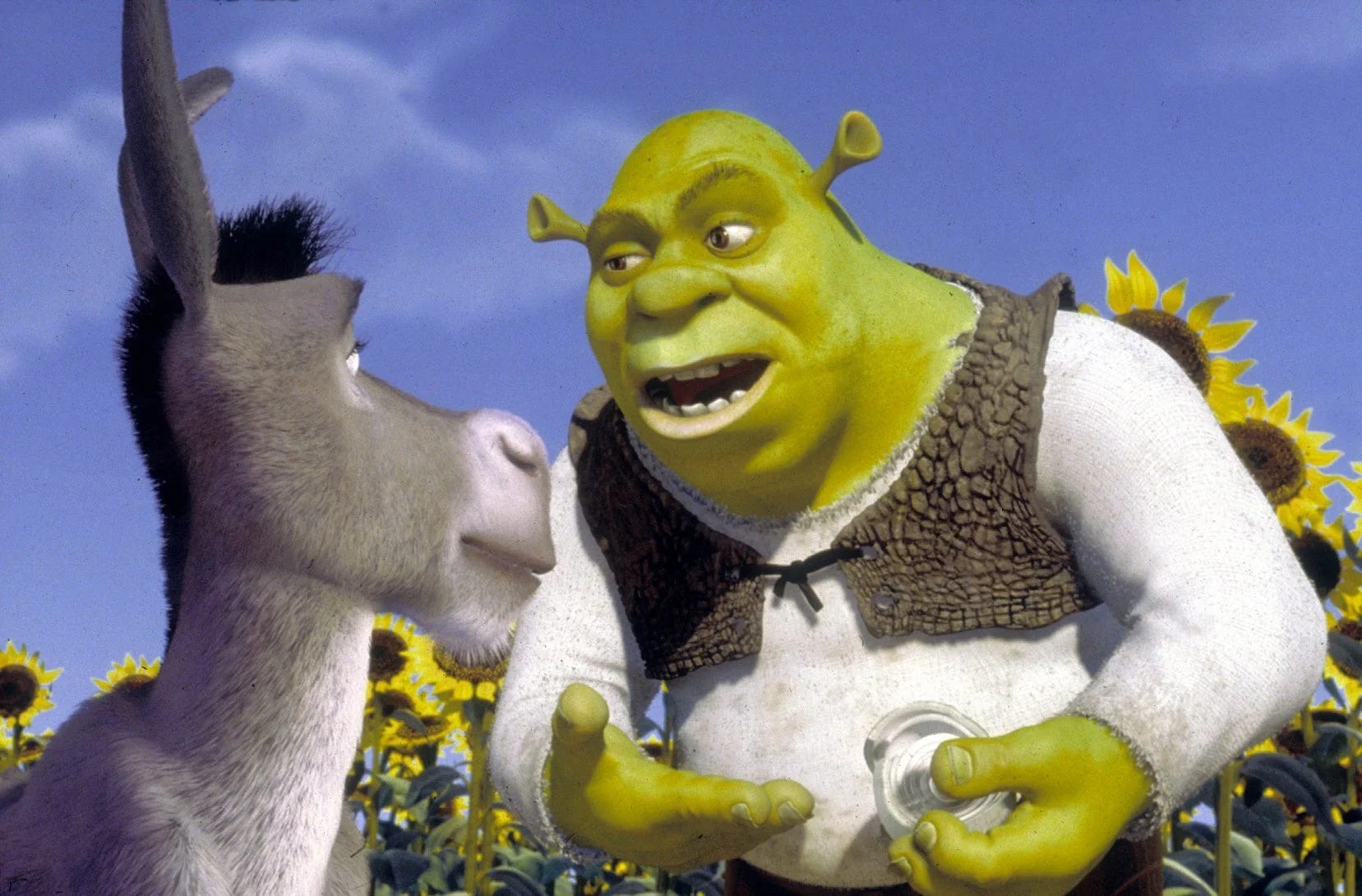
You may have heard it said that ogres are a little bit like onions. Every time his antisocial behavior works out and gets reinforced, a new layer is added to the fortress around him until it becomes impenetrable. This keeps outsiders out, but at the cost of trapping the ogre inside. If the ogre wants to integrate into the village, he needs to break down his onion fortress, and it can only be dismantled the same way it was created: one layer at a time. Each new social interaction brings an opportunity to either add or eliminate a layer. There will be moments of thinking he’s freed himself and has shed the final layer. He will feel a slight breeze on his skin and his vision will be clearer. He’ll run to join the villagers, run to embrace them in his elation, only to bowl them over, the onion almost imperceptibly smaller than before. And he retreats to his swamp in shame. There are other moments that find the ogre building up his onion, falling into his swampy ways even while he strives to break out. But, when he comes to understand what his body and his mind are truly trying to protect him from, he will start to see himself slowly winning the war for his freedom. This is the secret that will transform the ogre into a man.
I first learned this secret while sitting in a beautiful cathedral and am reminded every time I enter such a heavenly place. It came to me as I breathed methodically, chanting in my mind the words “Lord Jesus Christ, son of God, have mercy on me, a sinner.” In that quiet peace I came to understand what I’ve been afraid of for so long. On the surface, it’s the brokenness of others that I’m desperate to avoid. The thought of someone not loving me drives me into my swamp., But my mind has a way of tricking me into forgetting there are two people involved in each interaction, and the real brokenness I can’t dare to face is my own.
Even more crucial is that when someone is free from his own brokenness, the brokenness of others is unable to harm him. The effects of insults and ridicule, and disdain and rejection are contingent on how much brokenness is left in him. Thus, the way to overcome anxiety, contrary to what the anxious mind believes, is not at all to focus on the brokenness of others, but to cure your own brokenness.
And what is brokenness? It’s the opposite of love. And what is love? Love, put simply, is harmony under the purpose of the good. To love another person is to be united with him in seeking his good. To love God is to be united with love itself, acting as an agent for good at all times in all things. Becoming an agent of God brings peace. If you are always acting in love, acting as love, you will have ultimate peace, a peace unshaken by circumstances or by the brokenness of others.
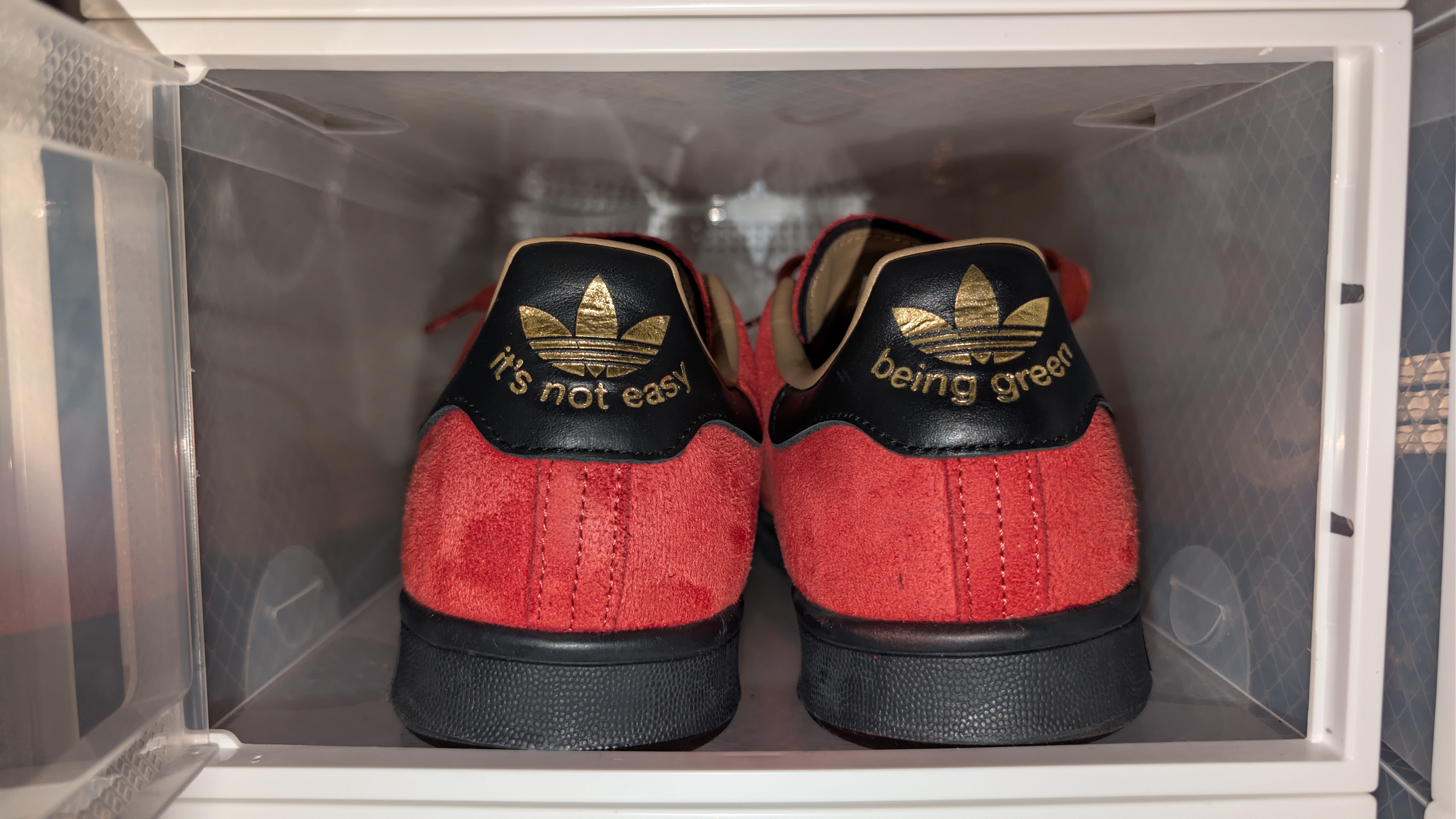
For the ogre to find his place in the world outside of his lonely swamp, he must reject the resentment of others that the anxiety persona goads him into. Rather, he must focus on breaking down the many layers of brokenness weighing him down, ultimately allowing him to be completely unaffected by the social curses he’s so terrified of. And each oppressive layer that gets ripped off is replaced by a cloak of hope, as light as a feather, lifting his spirit until finally he’s free. It’s not easy being an ogre. If only he could stop painting himself green.
Thanks for reading Restoration! Subscribe for free to receive new posts and support my work.